Japanese Honey Vendor in Chichibu

Honey vendor at a farmer’s market near Chichibu

The Japanese honey bee is called Apis cerana japonica that is a subspecies of the eastern honey bee. They are found throughout Japan except for Hokkaido and Okinawa and they live in the mountains and in cities like Tokyo and Osaka. Historically honey was solely collected from Japanese honey bees for about 1400 years. However, in 1877 commercial beekeepers changed to the Western honey bee due to the higher honey production. In recent times Western honey produce the majority of honey in Japan. Fortunately the movement of preserving the Japanese honey bee has not diminished in part due to media coverage and biodiversity. The Japanese type are more docile nature, resistance to infectious diseases and cold weather, and have the ability to defend themselves against the Japanese hornet.

https://www.japan-natural-beekeeping.org/post/japanese-honeybee

One-Time
Monthly
Yearly

Your donation will assist the stability and growth of the photography blog. It will assist specifically with internet blogging fees and promotion, computer maintenance, photographic equipment, and some travel expenses. Please make a one-time donation. Thank You.

Make a monthly donation

Make a yearly donation

Choose an amount

$2.00
$5.00
$10.00
$5.00
$15.00
$100.00
$5.00
$15.00
$100.00

Or enter a custom amount

$

Your contribution is appreciated.

Your contribution is appreciated.

Your contribution is appreciated.

DonateDonate monthlyDonate yearly
James Fitzgerald Marine Reserve Moss Beach, CA


James Fitzgerald Marine Reserve Moss Beach, CA


James Fitzgerald Marine Reserve is a beach with diverse marine life such as algae, crabs, sponges, sea-stars, mollusks, and fish. James Fitzgerald, a former San Mateo County board of supervisor president, passed a bill designating the Moss Beach tide-pool area as a Reserve. It is a great resource for studying marine life, the coastal ecosystem, and natural history. One current issue is impacting the marine reserve is over-tourism with over 130,000 people annually damaging the tidepools and is threatening to destroy this sheltered refuge. Hopefully the Marine Reserve staff and volunteers can control the over eager tourists visiting the reserve in the future.


One-Time
Monthly
Yearly

Your donation will assist the stability and growth of the photography blog. It will assist Specifically with internet blogging fees and promotion, computer maintenance, photographic equipment, and some travel expenses. Please Make a one-time donation. Thank You.

Make a monthly donation

Make a yearly donation

Choose an amount

$2.00
$5.00
$10.00
$5.00
$15.00
$100.00
$5.00
$15.00
$100.00

Or enter a custom amount

$

Your contribution is appreciated.

Your contribution is appreciated.

Your contribution is appreciated.

DonateDonate monthlyDonate yearly
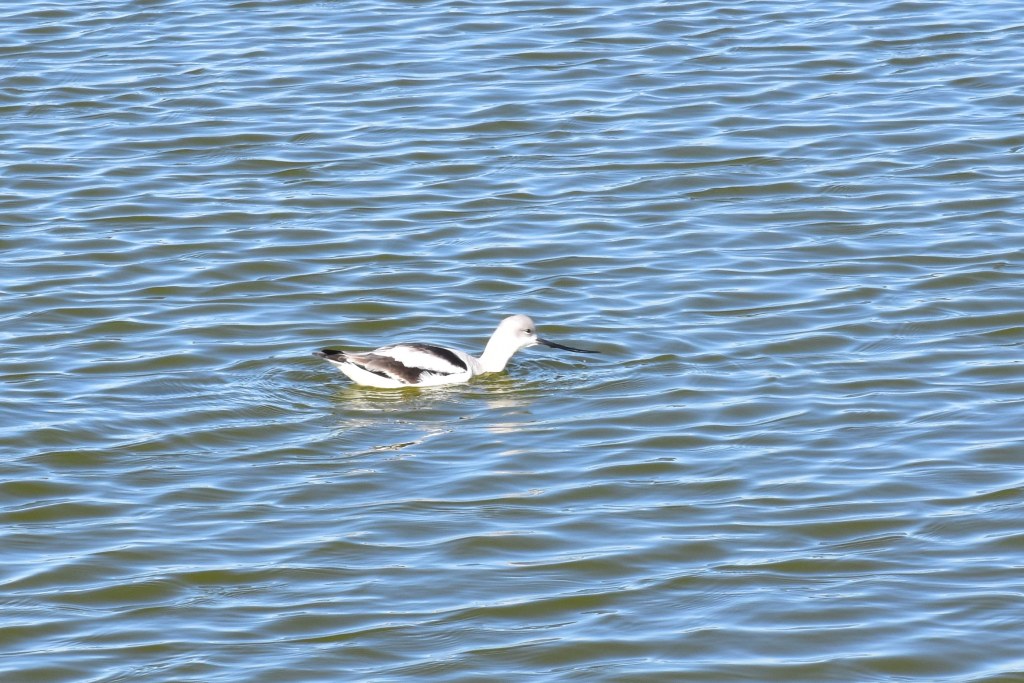
American Advocet

American Advocet at Alviso Slough in San Jose


The American Advocet is a shorebird with a long, a curved bill, a long neck, and round head. Breeding Advocet’s have a rusty head and neck that turns grayish white after breeding. It walks through shallow water looking for aquatic animals. Their habitat are fresh and saltwater wetlands, salt ponds, and evaporation ponds. During winter it uses inter-tidal mudflats, tidal lagoons, rice fields, and flooded pastures.


One-Time
Monthly
Yearly

YOUR DONATION WILL ASSIST THE STABILITY AND GROWTH OF THE PHOTOGRAPHY BLOG. IT WILL ASSIST SPECIFICALLY WITH INTERNET BLOGGING FEES AND PROMOTION, COMPUTER MAINTENANCE, PHOTOGRAPHIC EQUIPMENT, AND SOME TRAVEL EXPENSES. PLEASE MAKE A ONE-TIME DONATION. THANK YOU.

Make a monthly donation

Make a yearly donation

Choose an amount

$2.00
$5.00
$10.00
$5.00
$15.00
$100.00
$5.00
$15.00
$100.00

Or enter a custom amount

$

Your contribution is appreciated.

Your contribution is appreciated.

Your contribution is appreciated.

DonateDonate monthlyDonate yearly

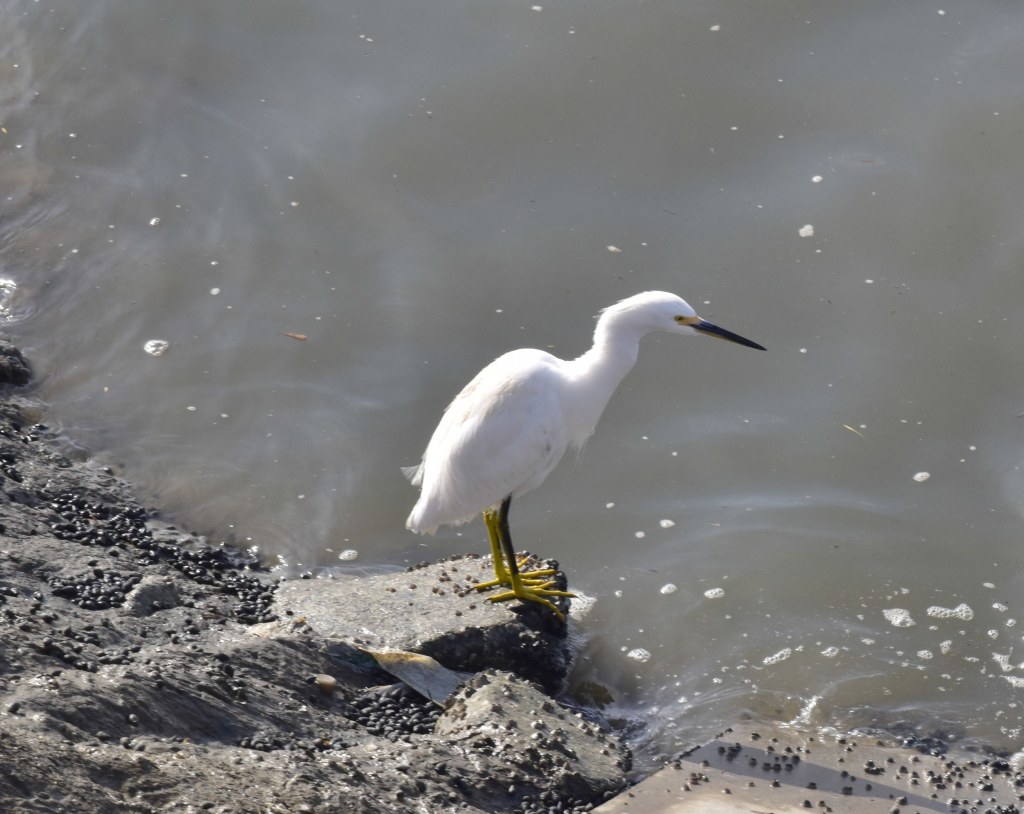
Snowy Egret


Snowy Egrets are medium-sized herons with long, thin legs, and long slender bills. The adults have black bills, black legs, and yellow feet. Juveniles have duller, greenish legs. Egrets are generally 22.1-26 in or (56-66 cm) in length, weight about 13.1 or (370 g), and wingspan 39.4 (100 cm). The feed by wading in shallow water to spear fish and other small aquatic animals. They are common along the coast, mudflats, beaches, and inland wetlands.


One-Time
Monthly
Yearly

YOUR DONATION WILL ASSIST THE STABILITY AND GROWTH OF THE PHOTOGRAPHY BLOG. IT WILL ASSIST SPECIFICALLY WITH INTERNET BLOGGING FEES AND PROMOTION, COMPUTER MAINTENANCE, PHOTOGRAPHIC EQUIPMENT, AND SOME TRAVEL EXPENSES. PLEASE MAKE A ONE-TIME DONATION. THANK YOU.

Make a monthly donation

Make a yearly donation

Choose an amount

$2.00
$5.00
$10.00
$5.00
$15.00
$100.00
$5.00
$15.00
$100.00

Or enter a custom amount

$

Your contribution is appreciated.

Your contribution is appreciated.

Your contribution is appreciated.

DonateDonate monthlyDonate yearly

The Spider & Prey


Araneus diadematus or European Garden Spider


The spider


The web


The prey

One-Time
Monthly
Yearly

Your donation will assist the stability and growth of the photography blog. It will assist Specifically with internet blogging fees and promotion, computer maintenance, photographic equipment, and some travel expenses. Please Make a one-time donation. Thank You.

Make a monthly donation

Make a yearly donation

Choose an amount

$2.00
$5.00
$10.00
$5.00
$15.00
$100.00
$5.00
$15.00
$100.00

Or enter a custom amount

$

Your contribution is appreciated.

Your contribution is appreciated.

Your contribution is appreciated.

DonateDonate monthlyDonate yearly
Milk Snail (Otala Lactea)

The Milk Snail (Otala Lactea) is a land snail in the species of gastropod whose habitat is Europe, North Africa, and North America. They eat greens, like broccoli, cabbage, lettuce, yucca plant, anise, and lily. The snails are identified by light brown with dark brown lines that spiral along the shells whorls. And they were a staple of diets to prehistoric humans and in modern times it is considered a favorite from Spain to Italy. In California and Mediterranean climates they can overrun and displace native snails and are seen as a serious pest.

One-Time
Monthly
Yearly

Your donation will assist the stability and growth of the photography blog. It will assist Specifically with internet blogging fees and promotion, computer maintenance, photographic equipment, and some travel expenses. Please Make a one-time donation. Thank You.

Make a monthly donation

Make a yearly donation

Choose an amount

¤2.00
¤5.00
¤10.00
¤5.00
¤15.00
¤100.00
¤5.00
¤15.00
¤100.00

Or enter a custom amount

¤

Your contribution is appreciated.

Your contribution is appreciated.

Your contribution is appreciated.

DonateDonate monthlyDonate yearly
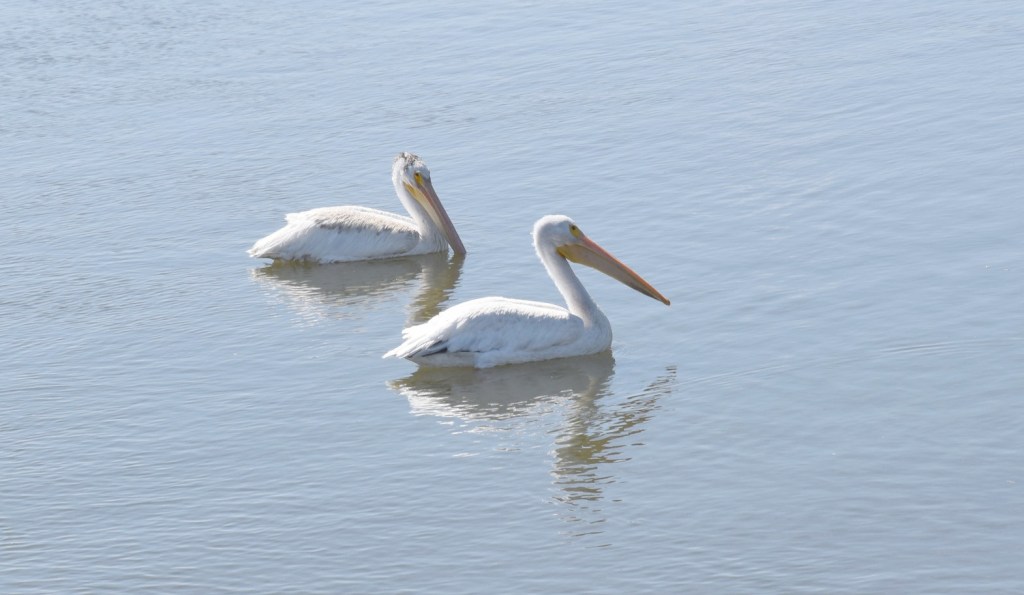
Two White Pelicans


White Pelicans on the Alviso Slough Trail at the Don Edwards SF Bay National Wildlife Refuge in Alviso (San Jose)


Largest North American birds


Live in lakes, marshes, and salt ponds mostly


Similar to Brown Pelicans


Don’t dive from the air for fish


One-Time
Monthly
Yearly

Your donation will assist the stability and growth of the photography blog. It will assist Specifically with internet blogging fees and promotion, computer maintenance, photographic equipment, and some travel expenses. Make a one-time donation.

Make a monthly donation

Make a yearly donation

Choose an amount

¤2.00
¤5.00
¤10.00
¤5.00
¤15.00
¤100.00
¤5.00
¤15.00
¤100.00

Or enter a custom amount

¤

Your contribution is appreciated.

Your contribution is appreciated.

Your contribution is appreciated.

DonateDonate monthlyDonate yearly

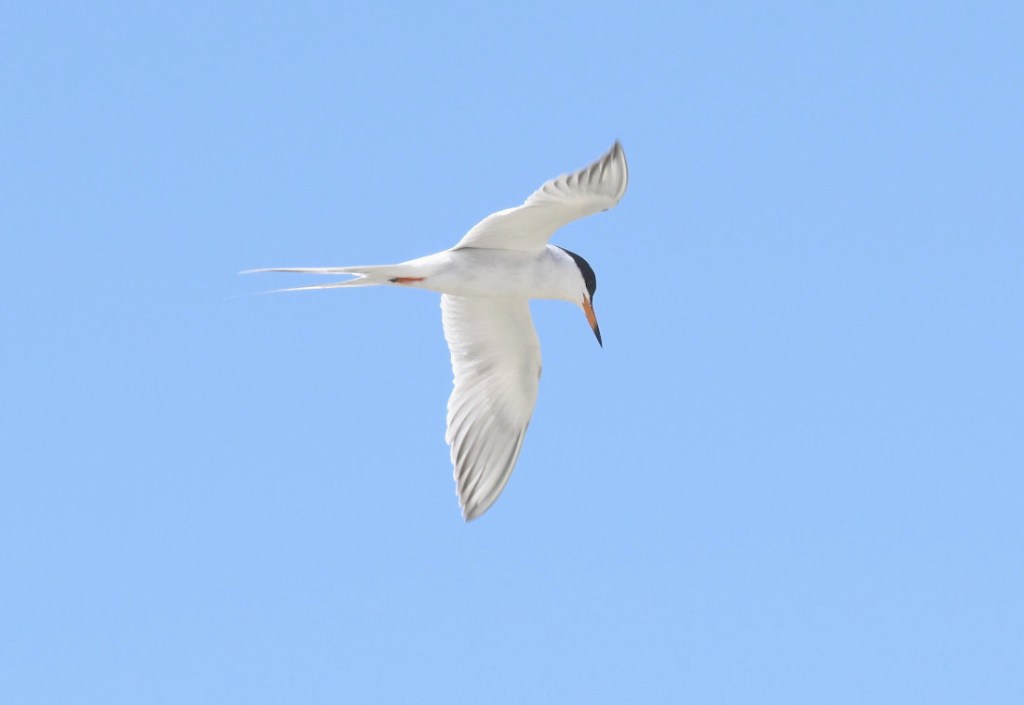
California Least Tern


California Least Tern at the Alviso Slough Trail at the Don Edwards SF Bay National Wildlife Refuge in Alviso (San Jose)


The California Least Tern is one of a few Tern species. They are still considered an endangered bird species. The bird is relatively small measuring ten inches with a wing length of four inches and weighing only 45-55 grams. Their diet consists of diving towards the water picking off fish just below the surface. California Least Terns are identified by a short, forked tail, and a long, slightly decurved, tapered bill. Their territory is only in the United States along the immediate coast of California from San Francisco Bay south to the Mexican border. But due to coastal development and intense human recreational use of beaches the numbers greatly diminished with numbers around 6,000 pairs today.


One-Time
Monthly
Yearly

Your donation will assist the stability and growth of the photography blog. It will assist Specifically with internet blogging fees and promotion, computer maintenance, photographic equipment, and some travel expenses. Make a one-time donation.

Make a monthly donation

Make a yearly donation

Choose an amount

¤2.00
¤5.00
¤10.00
¤5.00
¤15.00
¤100.00
¤5.00
¤15.00
¤100.00

Or enter a custom amount

¤

Your contribution is appreciated.

Your contribution is appreciated.

Your contribution is appreciated.

DonateDonate monthlyDonate yearly

Cat Mural

Painted by Roan Victor, a painter, muralist, educator, & cat lover

This photograph was taken in front of the Dancing Cat, an open and cage-free environment of formally homeless adult cats that hopefully find a new home with families. The Dancing Cat is a non-profit organization cat adaption lounge based in downtown San Jose. It’s purpose is to find homes for at-risk adult cats from the San José Animal Care Center in a cage-less environment where they can socialize with people and other cats and eventually find a new home. When visiting you only need to pay $10 for one hour to socialize with the cats. The Dancing Cat is mostly run by volunteers and generous donations in the community.

https://www.thedancingcat.org/